Exploring the Ottoman Centuries
Journey through the rich history of the Ottoman Empire, from its foundational moments to its profound legacy. This timeline highlights key events, influential figures, and monumental shifts that shaped an era.
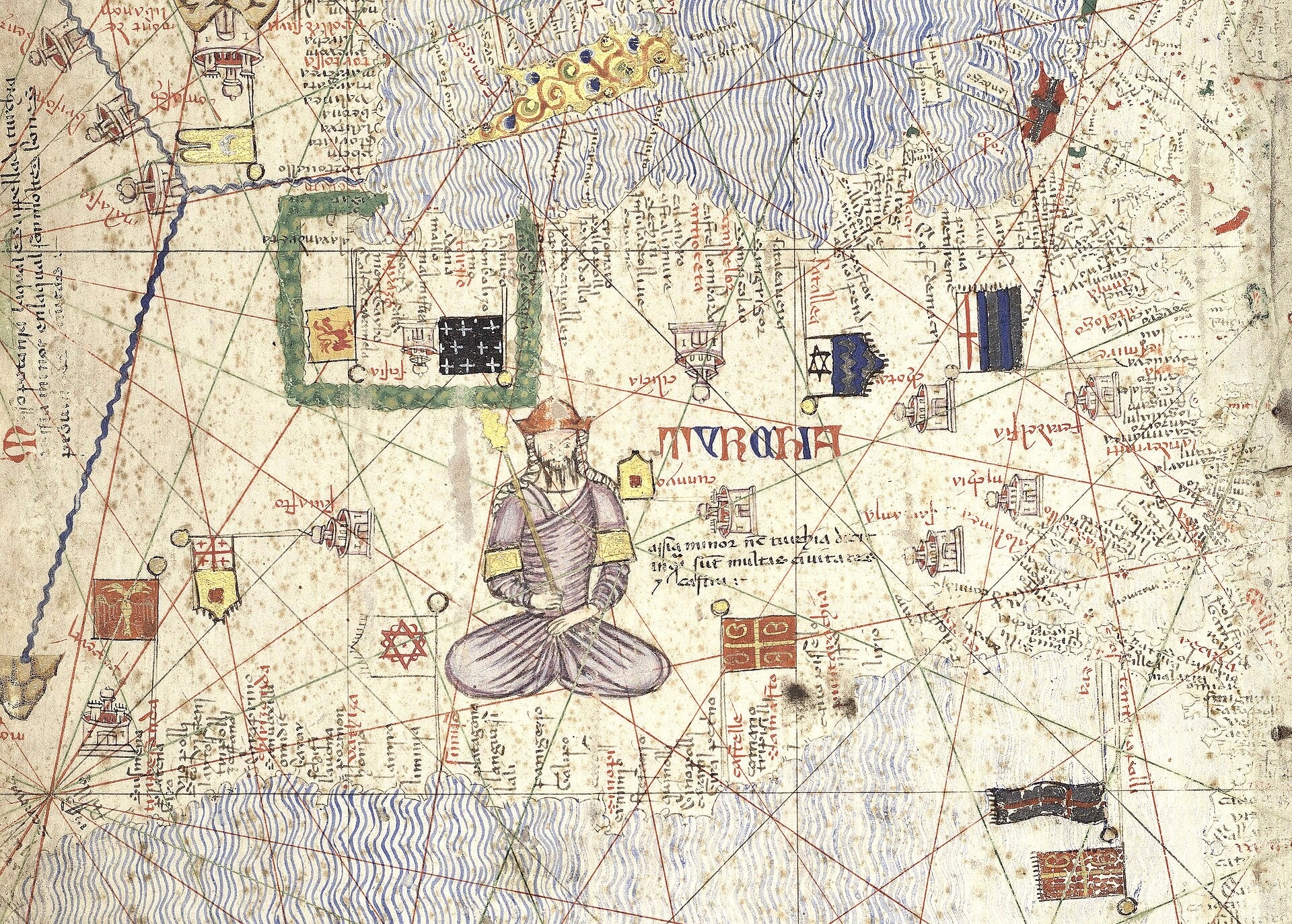
The rise of an empire: 1300-1400
The 14th century was the formative period of the Ottoman Empire. During this time, the Ottomans evolved from a small frontier principality (beylik) in northwestern Anatolia into a major regional power.
Unlike the highly centralised empire of later centuries, the 14th-century Ottoman state was flexible, pragmatic, and still developing its institutions. It drew on Byzantine, Seljuk, Islamic, and Turkic traditions while adapting to the realities of frontier warfare
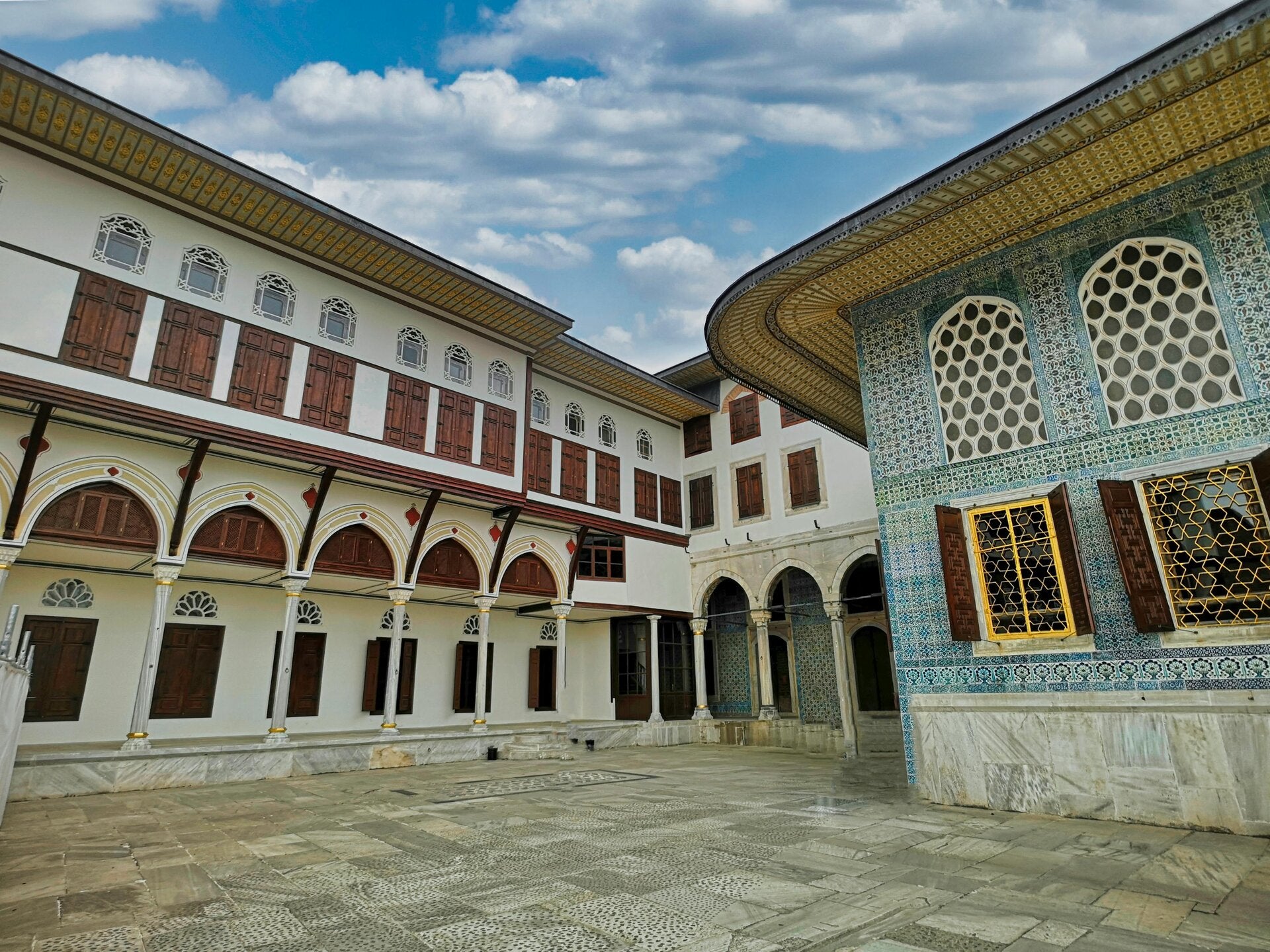
Sultans and Slaves: 1400-1500
The 15th century was a formative period in which the Ottoman principality morphed into a sedentarised and centralised empire.
Although the century began with a period of stagnation, efforts at limiting peripheral powers and a string of successful conquests established the Ottomans as a foremost regional power.
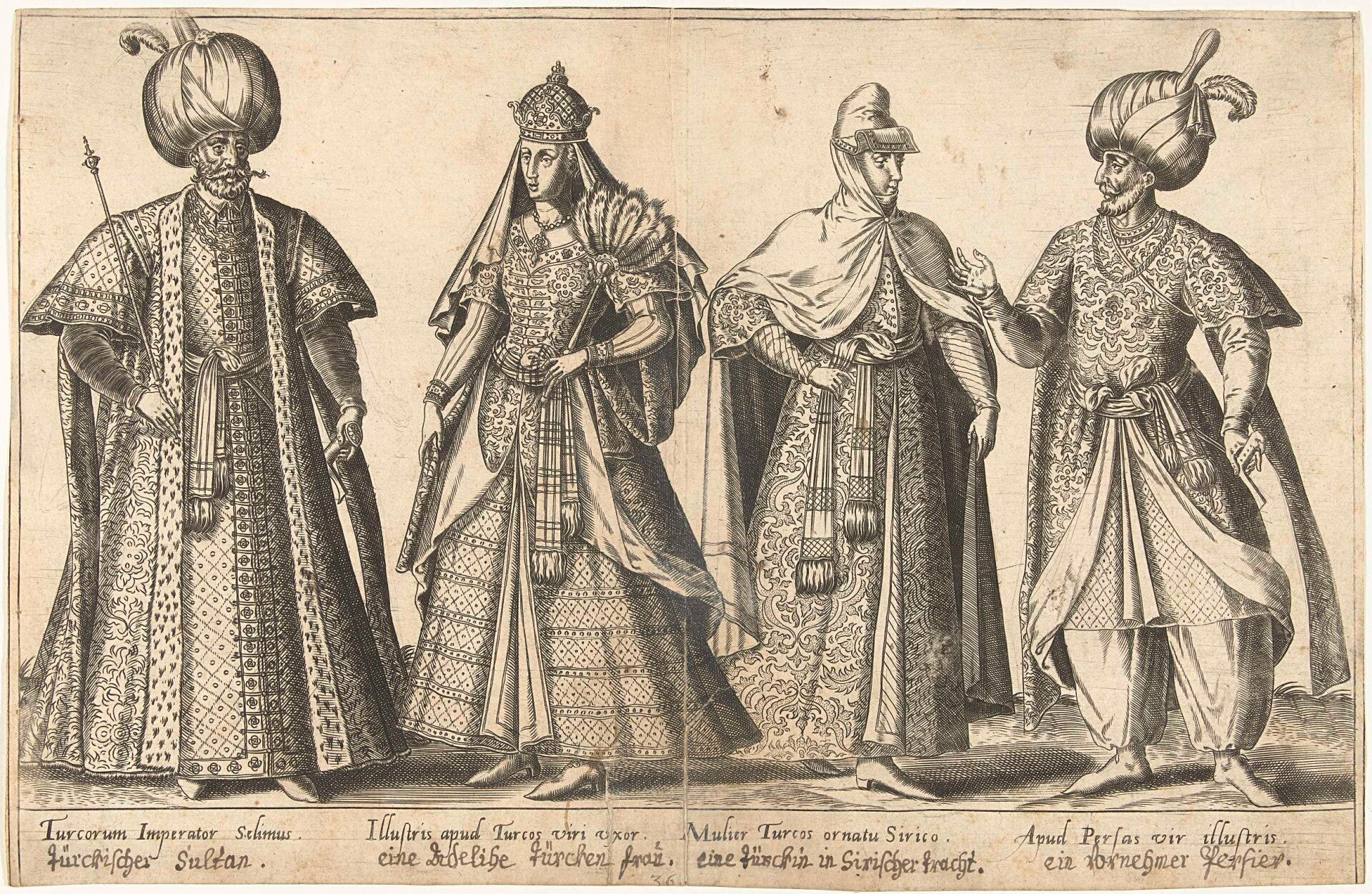
Golden age and cultural flourishing: 1500-1600
The 16th century is widely regarded as the height of Ottoman power, often called the empire's Classical Age. During this period, the Ottoman Empire became one of the largest, wealthiest, and most influential states in the world, controlling territory across Europe, Asia, and Africa. Its military was feared, its bureaucracy was highly organised, and its cities—especially Istanbul—were centres of trade, culture, and learning.
Although the century is often associated with spectacular conquest, it was also an era of administrative sophistication, legal development, economic expansion, artistic achievement, and global diplomacy.
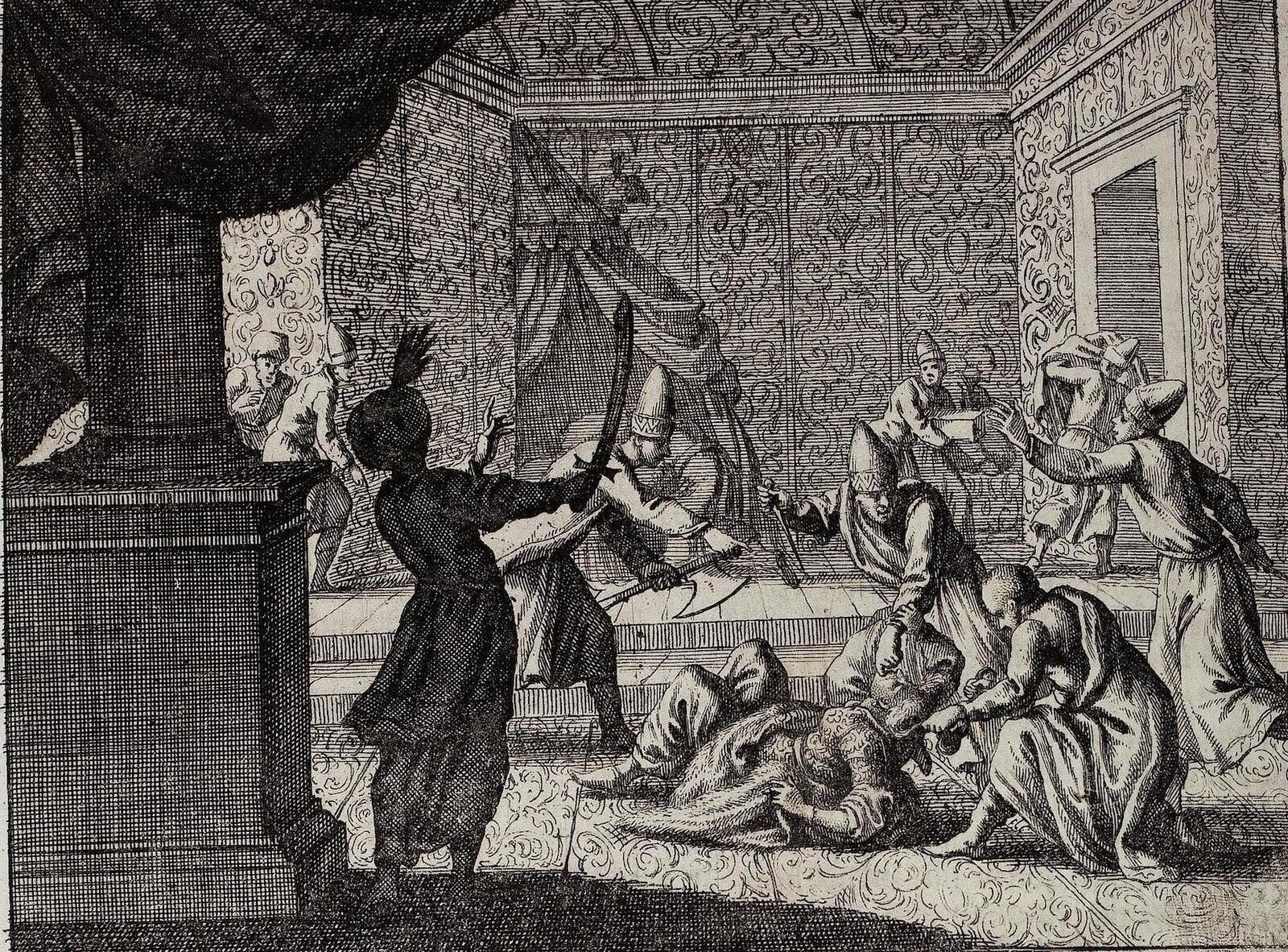
The Pressure Mounts: 1600-1700
Although the century witnessed military setbacks, internal rebellions, financial pressures, and political instability, it also saw important administrative reforms, cultural achievements, and institutional changes that enabled the empire to survive well into the modern era. For the first time, royal women, including Kösem Sultan, played a vital role in ruling and sustaining the empire during the chaos of this century.

The Age of Reform : 1700-1800
The 18th century (1700–1799) was a period of transformation rather than simple decline for the Ottoman Empire. Older histories often described this era as one of continuous decay after the empire's "golden age" under Sultan Suleiman I. Modern scholarship, however, argues that the 18th century was a time of adaptation, decentralisation, reform, and cultural flourishing, even as the empire faced growing military and political challenges.
Modernising the Empire: 1800-1900
The 19th century was the most transformative period in Ottoman history. It was an era of reform, modernization, nationalism, imperial rivalry, and territorial loss. Although it is often remembered as the empire's final century, it was also a period of remarkable attempts to rebuild the state and adapt to a rapidly changing world.
Modern historians increasingly argue that the Ottoman Empire was not simply collapsing, but actively trying to become a modern centralized state while facing unprecedented internal and external pressures.


The End of An Era: 1900-1923
The 20th-century was a period marred by contradictions: decline, debt and political reform on the one hand, and on the other, a burgeoning culture of civil rights, women's increased public participation and growth of a national consciousness